Corey Andrews
Ongoing research projects (PhD candidate)
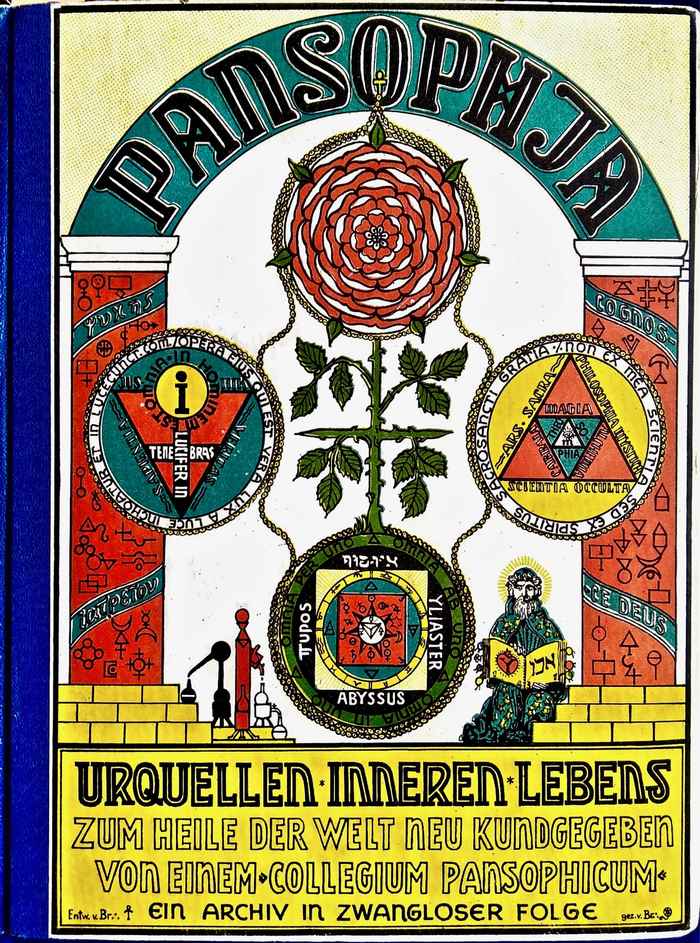
Historia Pansophia: Origins, History, and Symbolism of an Occult Philosophy
This research project concerns the intellectual history and symbolism of ‘Pansophia’, an occult intellectual current primarily in Early Modern Western esoteric thought. The project begins in the late medieval period with the Christian mystic and polymath Ramon Llull (1232-1315/16). According to recently established scholarly consensus, Llull has been positioned at the origins of the Pansophic current of thought in his development of a part mystically contemplative, part mathematical system referred to as the ars combinatoria (combinatory art). The trigger behind Llull’s pansophic system was two religio-mystical experiences he had in which he perceived the attributes of the godhead in the phenomenal world around him. A hallmark of the pansophic approach initially detected with Llull is its orientation outwards to nature as opposed to the more gnostically flavored inner oriented approach of theosophy. In establishing Llull as the proverbial cornerstone to this understudied esoteric current in Western culture, the later reception and development of Pansophia rests on Llullian foundations.
The immediate most important next nodal point in this research systematically explores how the Llullian stream is received, develops, and reaches an apogee in the de facto Pansophic tradition in the Early Modern Period, Rosicrucianism – an esoteric, anti-papal, Hermetic-Christian movement which emerges in Germany in the early 17th century. The Rosicrucian saga of the history of Pansophy manifests in Kassel where the initial Rosicrucian documents are anonymously published at the court of Moritz ‘the learned’ of Hessen-Kassel (1572-1632) before moving to the seat of the Holy Roman Emperor Rudolf II (1576-1612) at Prague shortly thereafter.
The final and most fruitful blossoming of Pansophia, building on Lullian and Rosicrucian fundaments manifests in the Pansophic vision of the Moravian-born theologian, philosopher, and ‘teacher of nations’ John Amos Comenius (1592-1670). Comeniologists have periodized the man’s life and work into stages – the most important of which for this research concerns works produced during the ‘pre-pansophic’ and ‘pansophic’ stages. Variants of the term ‘Pansophia’ adorn the titles of many works produced by Comenius during these periods. Additionally and importantly, he was (A) a student of the encyclopedist and translator of Llull’s works Johann Heinrich Alsted (1588-1638) at Herborn university and (B) a correspondent with the author of the Rosicrucian manifestos Johann Valentin Andreae (1586-1654).
The logical progression of this research concerns a reception history of these Pansophic streams into the modern period by exploring the ‘Pansophic Society’ of Heinrich Tränker, as well as the Rosicrucian sources and influences present in the works of the psychoanalysts Herbert Silberer and Carl Gustav Jung.